


Home Visits
- Feb 19, 2025
- 3 min read
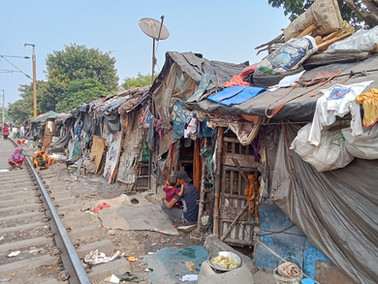
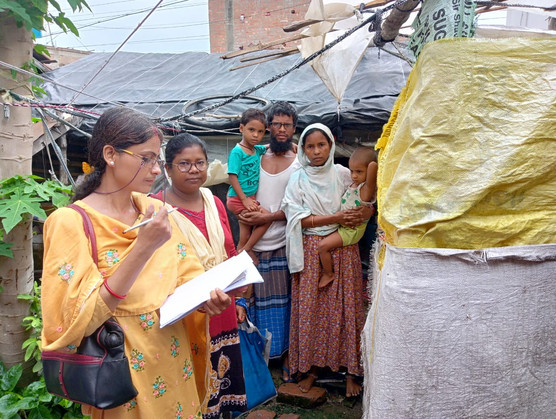
Les Home Visits est un projet lancé l'année dernière qui se décompose en plusieurs manches. Le principe est d'envoyer des équipes, composées de tous les staffs de HSP, dans des zones de Howrah pour visiter les foyers des plus démunis. Au total, ce sont 21 équipes composées de 5 personnes qui ont participé à ce projet. Une première manche a eu lieu en juillet et en août et la deuxième manche a eu lieu en novembre et en décembre. Le but de ces Home Visits est multiple :
Atteindre les plus démunis et répertorier les zones de Howrah où les concentrations de pauvreté sont élevées
Trouver de nouveaux bénéficiaires potentiels et les admettre dans les programmes de HSP (SMCS, école non formelle, Homes,...)
Sensibiliser davantage les staffs à la situation sociale des bénéficiaires de HSP
Renforcer la présence de HSP auprès des plus pauvres
Home Visits is a project launched last year, divided into several phases. The principle is to send teams, composed of all HSP staff, to different areas of Howrah to visit the homes of the most underprivileged. In total, 21 teams of 5 people each participated in this project. The first phase took place in July and August, and the second phase took place in November and December.
The objectives of these Home Visits are multiple:
To reach the most underprivileged and identify areas in Howrah with high concentrations of poverty
To find new potential beneficiaries and admit them into HSP programs (SMCS, non-formal school, Homes, etc.)
To raise awareness among staff about the social situation of HSP beneficiaries
To strengthen HSP’s presence among the poorest
Après une première manche qui fût riche en enseignement et qui nous a permis de trouver de nouveaux bénéficiaires, nous nous sommes rendus compte qu'il y avait une grande hétérogénéité des niveaux de vie dans les zones visitées. Suite à ce constat, certaines zones ont donc été ciblées en priorité pour la deuxième manche et ainsi atteindre les plus démunis.
Ainsi, cette deuxième tournée a été plus précise, car sur 121 familles visitées, 82 vivaient sous le seuil de pauvreté et 12 en pauvreté sévère, tandis que lors de la première tournée, 181 familles avaient été visitées, dont 83 vivant sous le seuil de pauvreté, parmi lesquelles 2 en pauvreté sévère. De plus, les critères de pauvreté ont pu être améliorés. En effet, lors des visites, les équipes prennent le temps de discuter avec les familles pour évaluer leur pauvreté avec une note prenant en compte de nombreux aspects de leur situation. Voici ces critères :
After a first phase rich in learning experiences, which allowed us to identify new beneficiaries, we realized that there was a great disparity in living standards across the visited areas. Based on this observation, some zones were prioritized for the second phase to reach the most underprivileged.
Thus, this second round was more precise, as out of 121 families visited, 82 were living below the poverty line, and 12 in extreme poverty. In contrast, during the first round, 181 families were visited, of which 83 were living below the poverty line, including 2 in extreme poverty. Additionally, the poverty criteria were refined. Indeed, during the visits, the teams took the time to talk with the families to assess their poverty level based on a rating system that considers multiple aspects of their situation. Here are these criteria:

Une note sur 30 est donnée pour chaque foyer visité, ce qui permet de créer trois catégories. Pour les notes comprises entre 10 et 15, les familles sont considérées en situation de vulnérabilité ; pour les notes comprises entre 15 et 20, c'est un état de pauvreté ; et pour les notes supérieures à 20, il s'agit d'un état de pauvreté sévère.
Chaque note est accompagnée de commentaires permettant de comprendre la situation sociale de ces familles. Une fois les manches terminées, un rapport est rédigé et un certain nombre d'actions sont menées en conséquence des observations des équipes. Certains enfants vont intégrer nos foyers ou bien une de nos écoles. De plus, certaines familles vont pouvoir bénéficier de notre programme d'aide spéciale.
Une troisième manche est déjà en préparation, avec des zones encore plus ciblées.
A score out of 30 is assigned to each household visited, which helps create three categories. For scores between 10 and 15, families are considered to be in a vulnerable situation; for scores between 15 and 20, they are considered to be in poverty; and for scores above 20, they are classified as living in extreme poverty.
Each score is accompanied by comments to help understand the social situation of these families. Once the phases are completed, a report is written, and a series of actions are taken based on the teams' observations. Some children will join our homes or one of our schools. Additionally, some families will benefit from our special aid program.
A third phase is already being prepared, with even more targeted areas.






Reading about the Home Visits program at Howrah South Point, it really shows how organizations try to reach children and families directly in their own environments for better support. While thinking about study support, I once searched for Affordable online finance class help during exam preparation when topics felt overwhelming. I remember struggling with budgeting concepts in class and wishing for clearer guidance. Overall, it highlights how direct guidance and consistent support can make learning feel less stressful.